Article • Dec 26, 2025 • Authored by Steve Morrison, BS, Electrical Engineering Technology, MBA
Recommended Bench Equipment for 2N3904 Hobby Projects
A practical, experience-based guide to the bench equipment I’ve relied on for years while building and testing 2N3904 transistor projects—from simple breadboard circuits to more advanced diagnostics.
Introduction
When working with a transistor as versatile and forgiving as the 2N3904, you don’t need a laboratory full of exotic gear—but you do need dependable tools. Over the years, I’ve built hundreds of hobby projects, demonstrations, and teaching examples using the 2N3904, and the bench equipment outlined here has consistently proven its value.
This isn’t a list of the newest or flashiest products. Instead, it’s a practical collection of tools that have served me well across decades of experimentation—whether I’m quickly testing a biasing idea, building a logic gate, or carefully measuring transistor behavior.
Resistors and Prototyping Essentials
1/4-Watt Resistor Kit
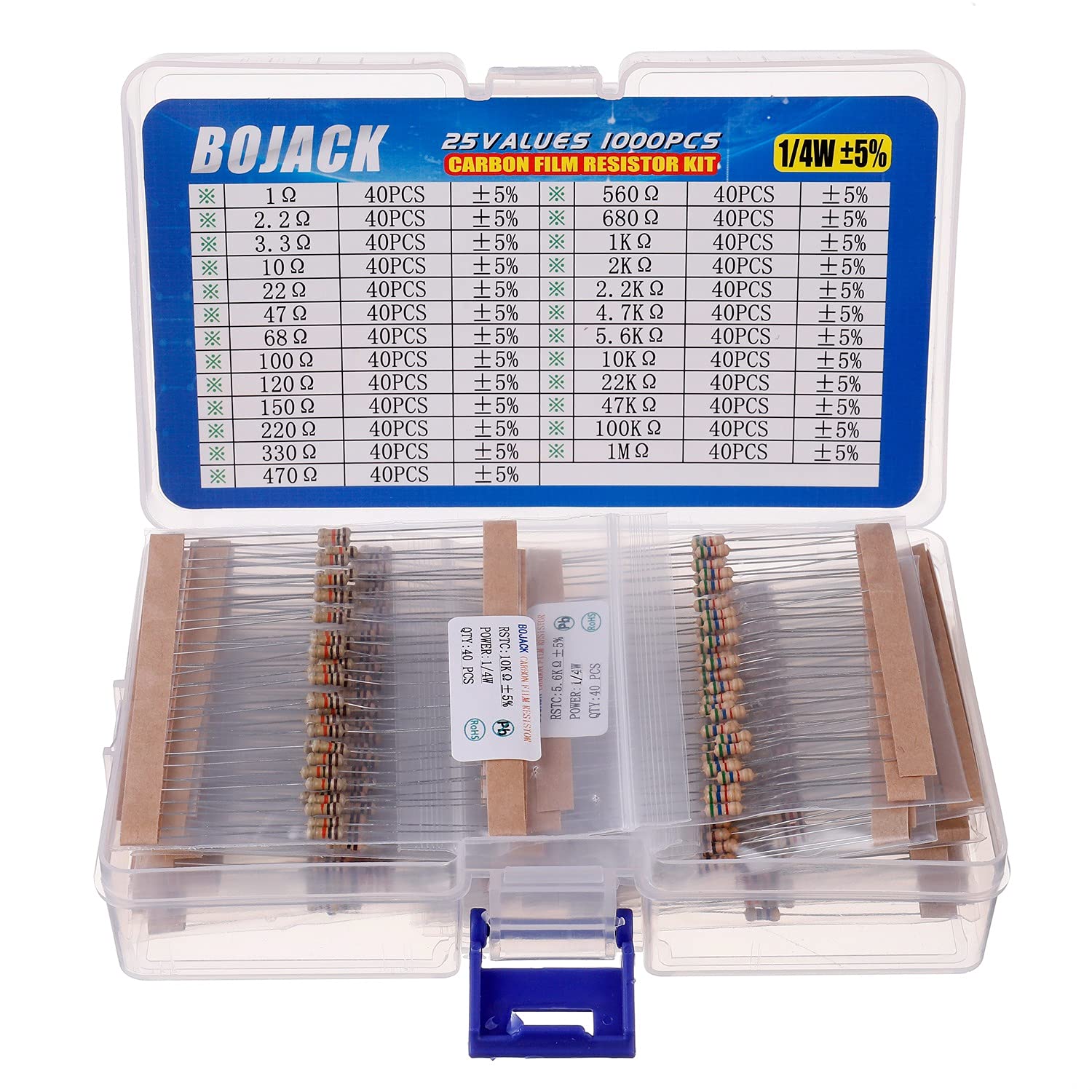
A comprehensive 1/4-watt resistor kit is the foundation of nearly every 2N3904 project. Collector resistors, base bias resistors, pull-ups, current limiters—these values get used constantly. I strongly recommend kits that include standard E12 or E24 values from a few ohms up to at least 1 MΩ.
The beauty of a resistor assortment is speed. You don’t stop a project because you’re missing a 4.7 kΩ resistor—you simply grab it and keep building. Over time, this alone saves countless hours.
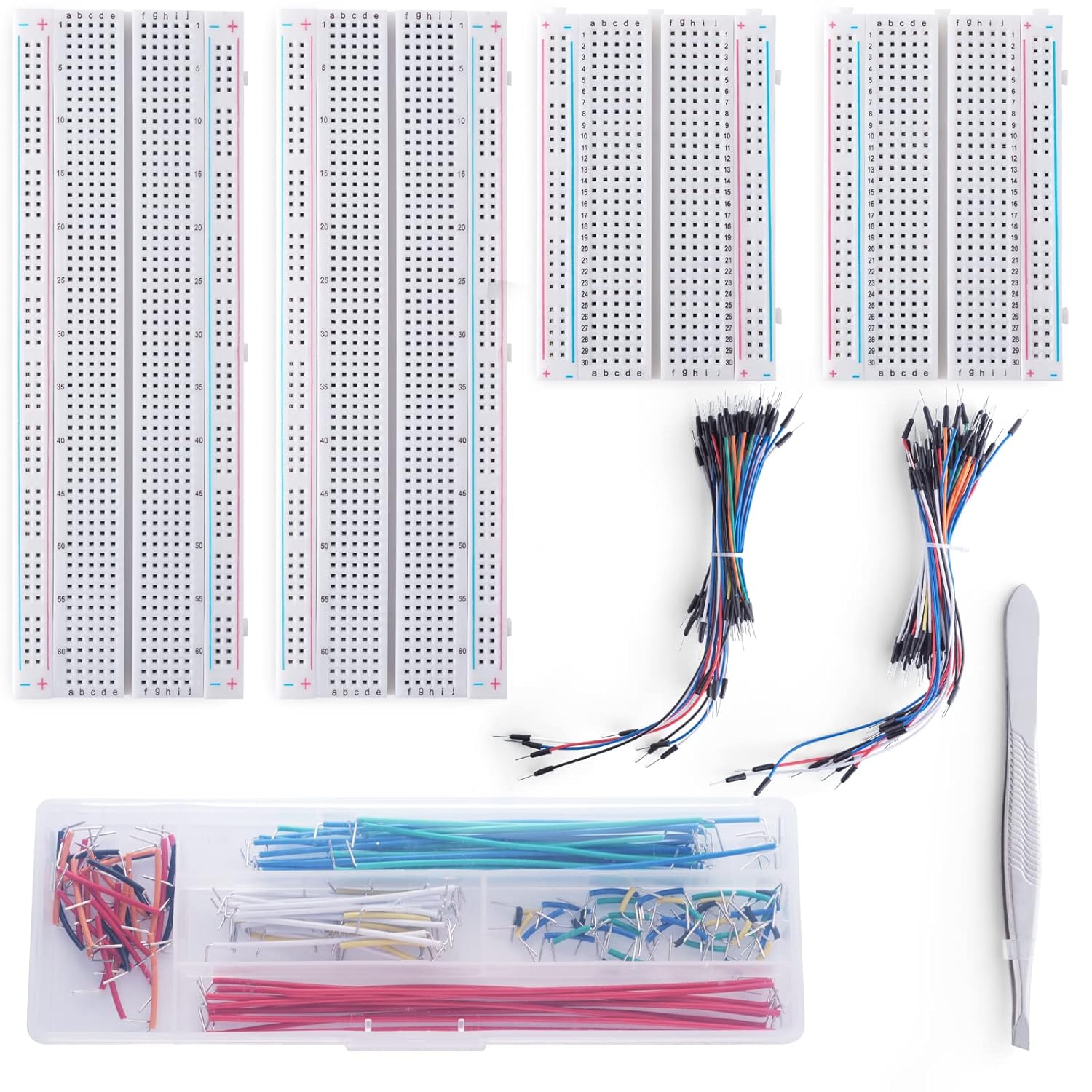
Breadboards are where ideas come to life. I keep multiple sizes on hand: small boards for quick experiments and larger boards for multi-stage transistor circuits. Paired with a good jumper-wire kit, this setup lets you rapidly prototype, modify, and troubleshoot circuits without committing to solder.
When working with BJTs like the 2N3904, breadboards make it easy to observe cause-and-effect changes—swap a resistor, move a bias point, or add a second transistor and immediately see what happens.
Power Supplies: The Heart of the Bench
Higher-End Bench Power Supply
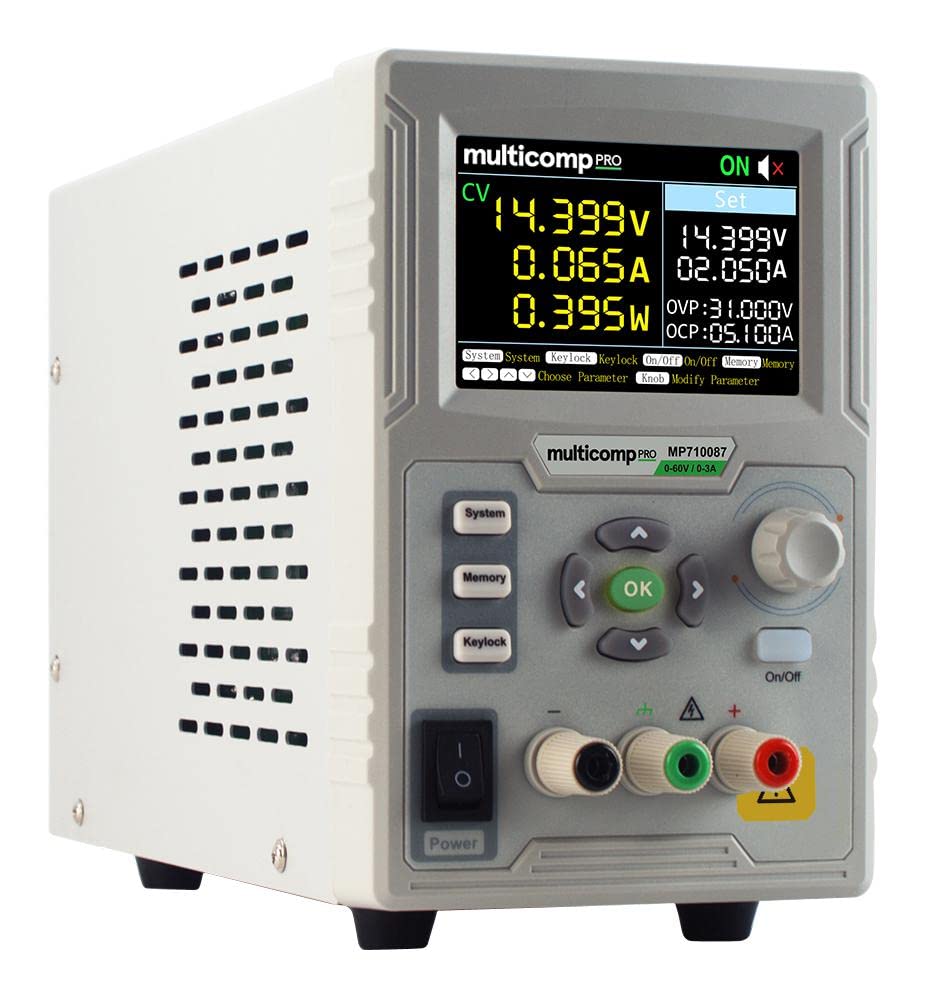
A reliable bench power supply is one of the most important investments you can make. Adjustable voltage and current limiting are essential when working with small-signal transistors. Being able to dial in exactly 5 V or 12 V—and limit current during a mistake—protects both your components and your sanity.
Higher-end supplies offer cleaner outputs, better regulation, and clearer displays, all of which matter when you’re analyzing transistor behavior rather than fighting noise or drift.
Budget Power Supply
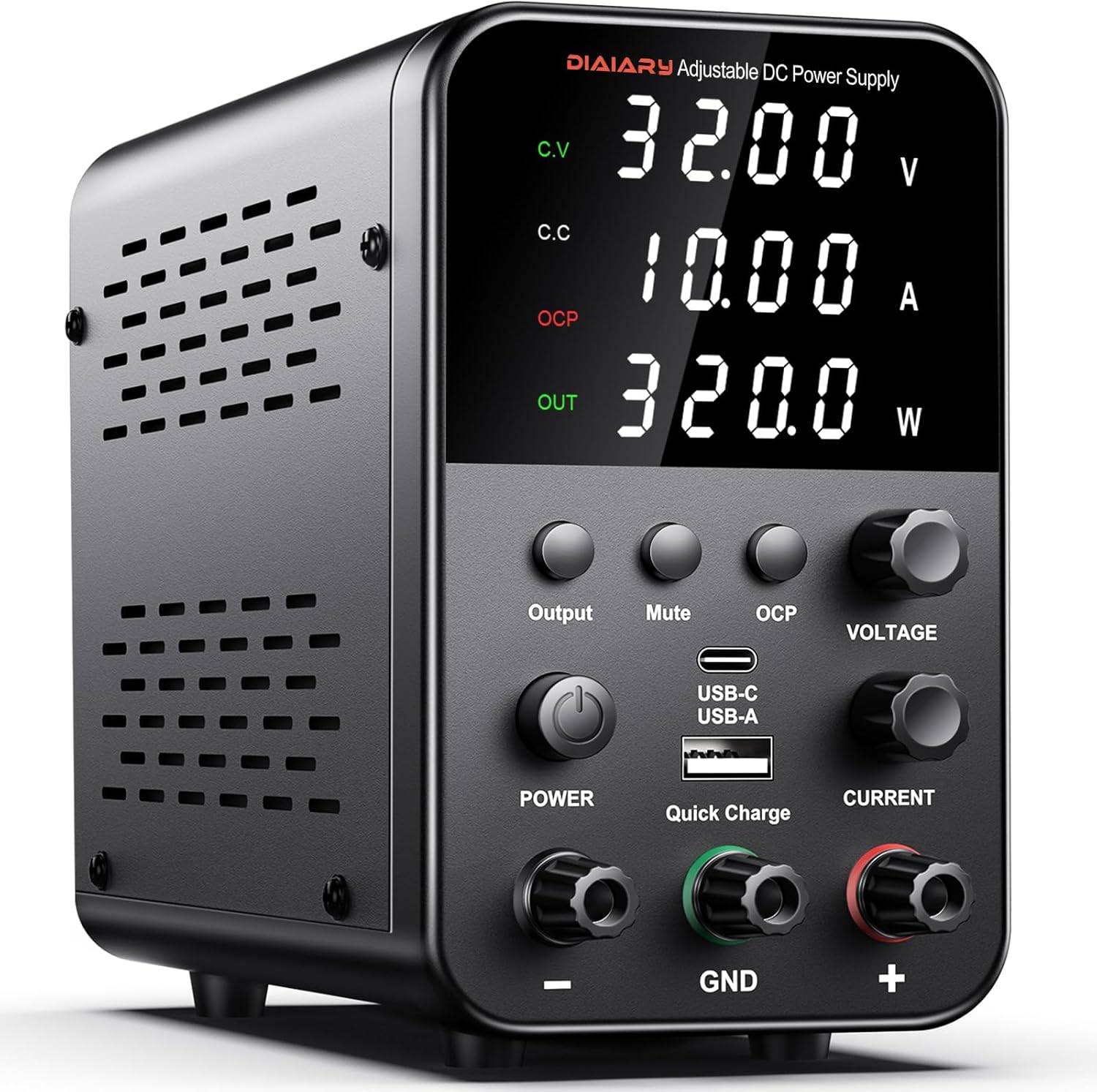
That said, a budget bench supply still has a place. I’ve used inexpensive supplies for years for basic logic experiments, LED drivers, and biasing tests. While they may lack refinement, they’re perfectly adequate for many 2N3904 projects and make electronics more accessible to beginners.
Measurement and Signal Tools
Oscilloscope
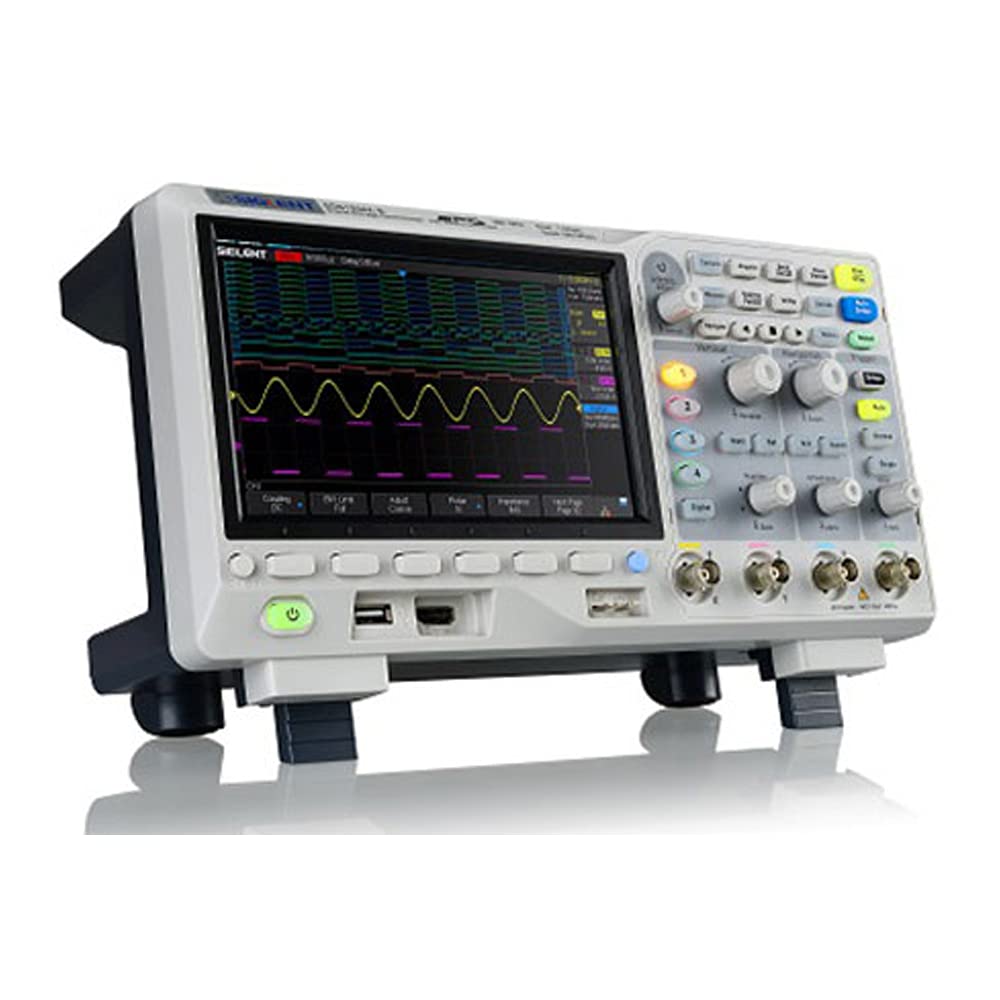
An oscilloscope is where theory meets reality. With a scope from Siglent, you can actually see what your transistor is doing—rise times, saturation, clipping, oscillations, and noise.
For 2N3904 circuits, even a modest bandwidth scope is more than enough to visualize switching behavior, amplifier response, and timing relationships that simply can’t be understood with a multimeter alone.
Signal Generator
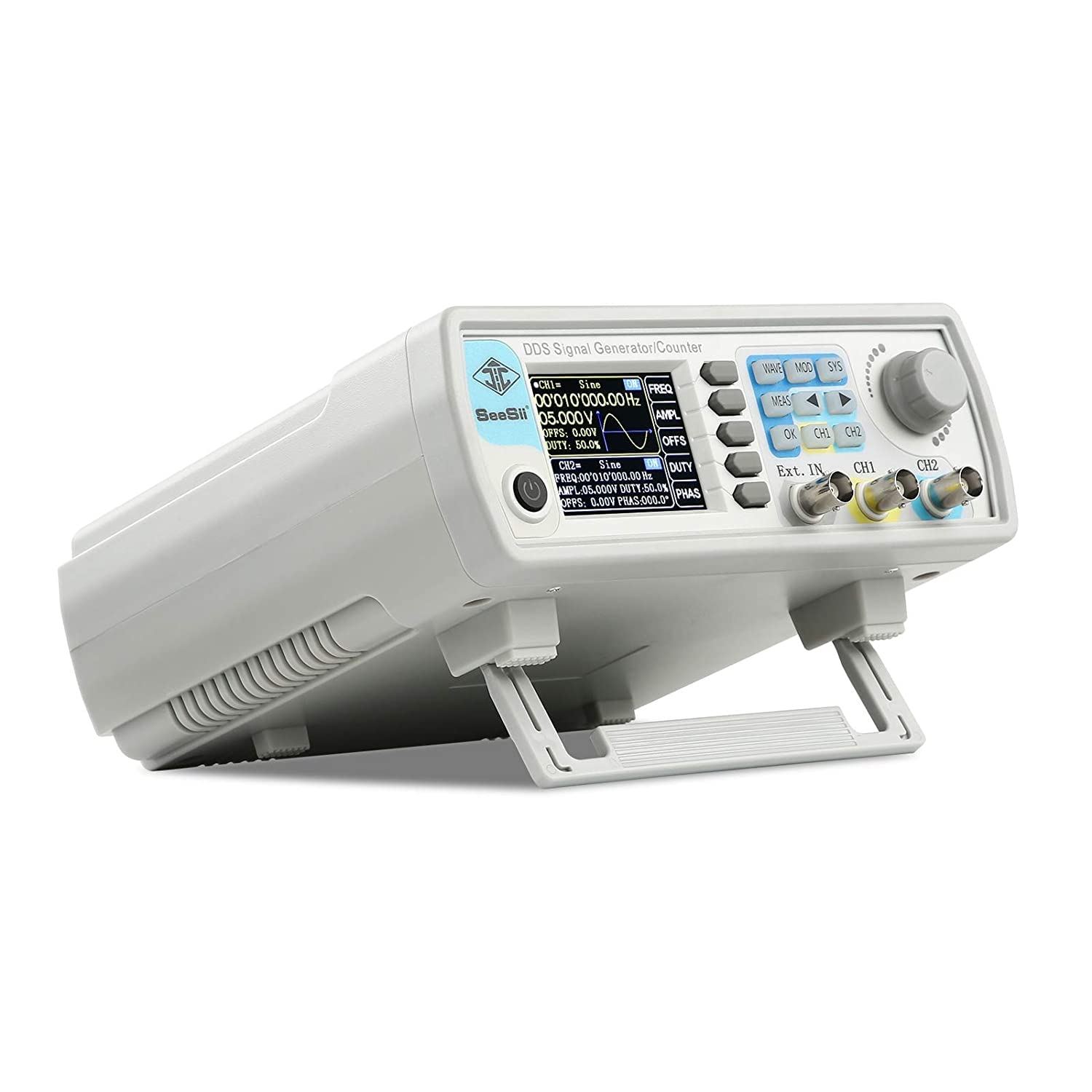
A signal generator transforms your bench from static testing to dynamic experimentation. Feeding known waveforms into a transistor amplifier or logic stage lets you study gain, distortion, and frequency response in a controlled way.
This is particularly valuable when teaching or learning—because you’re no longer guessing how a circuit behaves, you’re driving it with repeatable signals.
Safety and Power Control Equipment
Variac
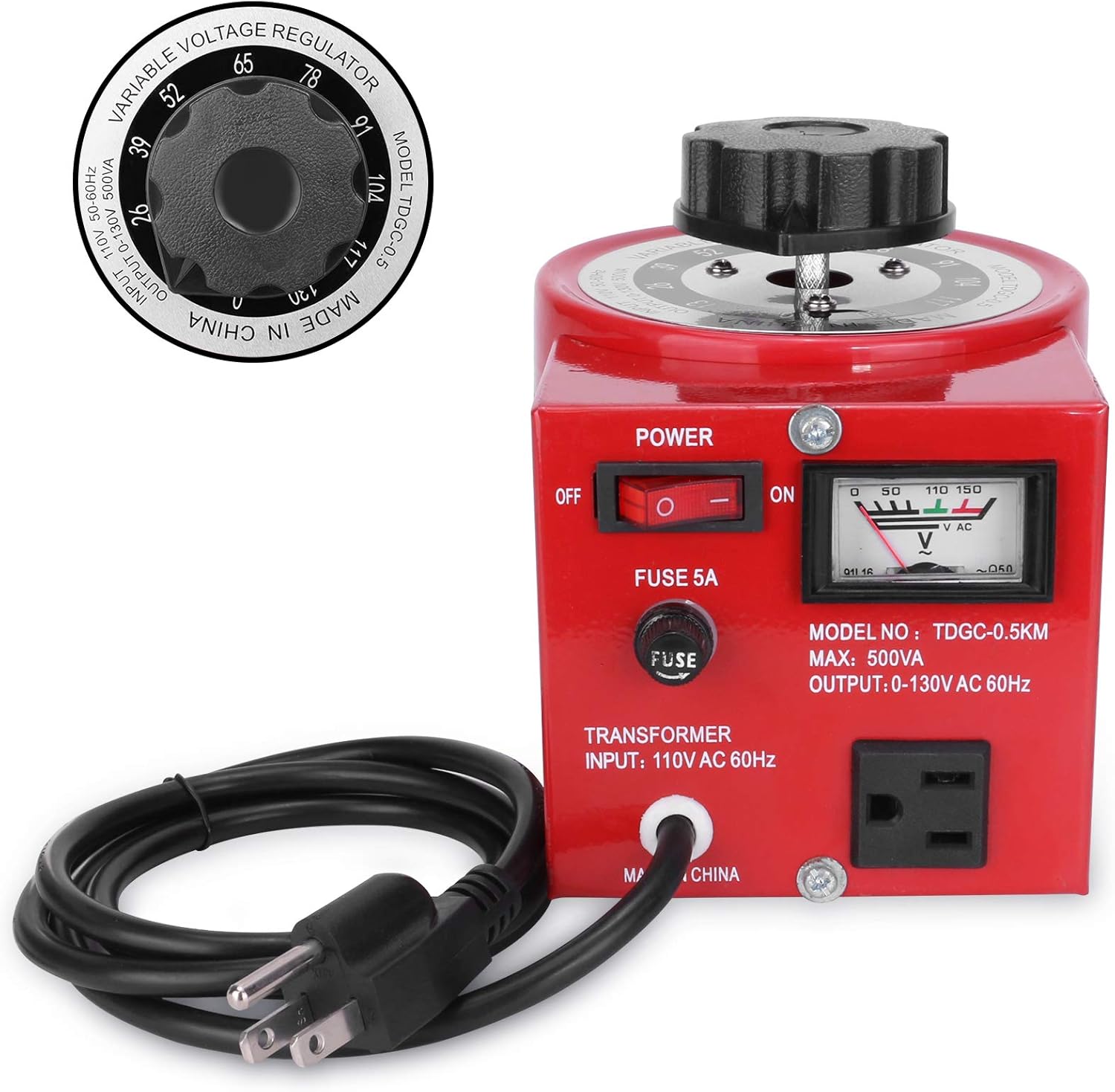
While not required for low-voltage transistor work, a variac becomes invaluable as projects expand into power supplies or legacy equipment. Slowly bringing voltage up under control reduces stress on components and prevents sudden failures.
Isolation Transformer
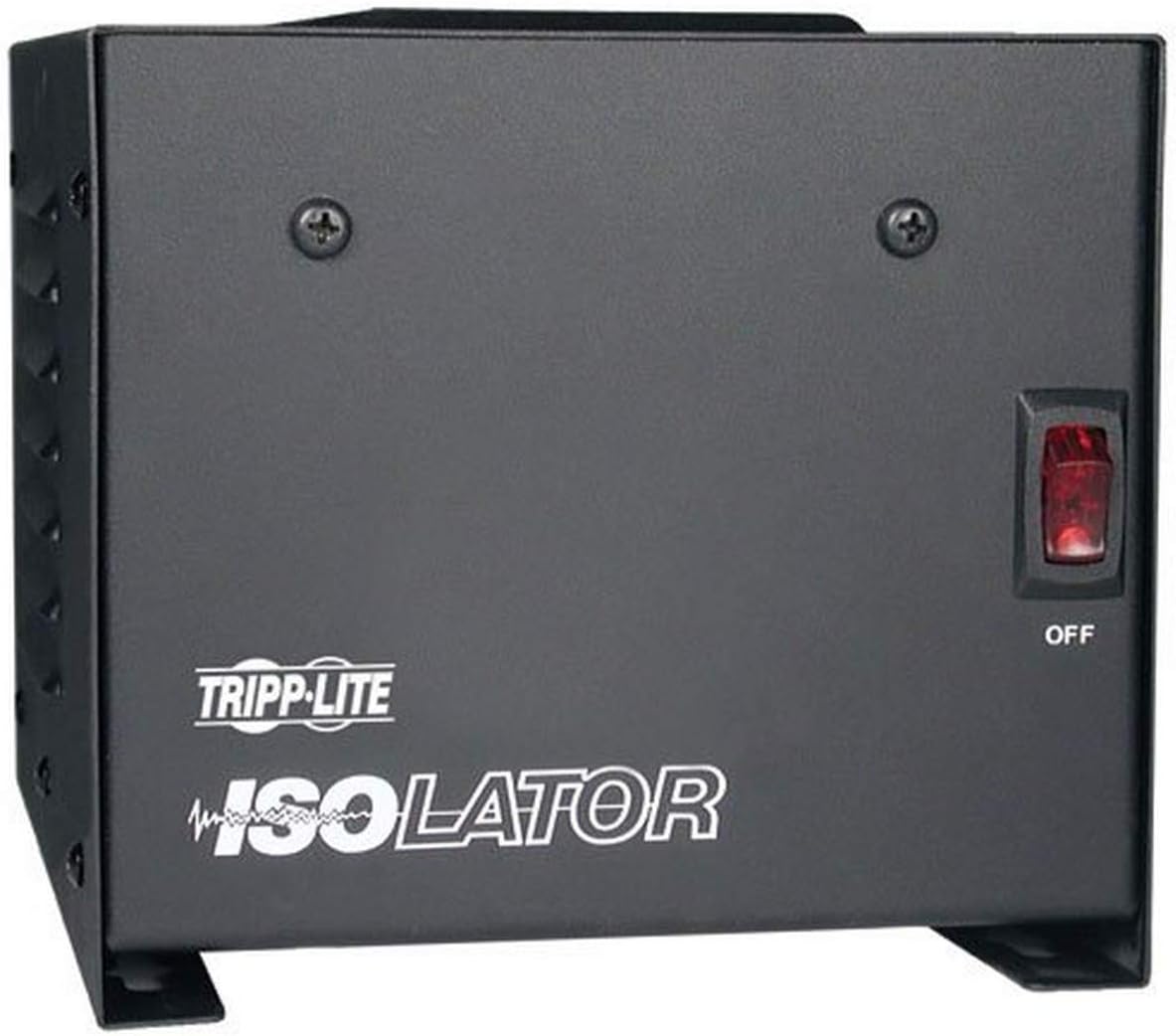
An isolation transformer is primarily about safety. When working on line-powered equipment—or even testing bench supplies—it provides an essential layer of protection. Over the years, this has been one of the most important tools on my bench, even if it doesn’t get used every day.
Multimeter: The Daily Workhorse
Fluke 115 Digital Multimeter
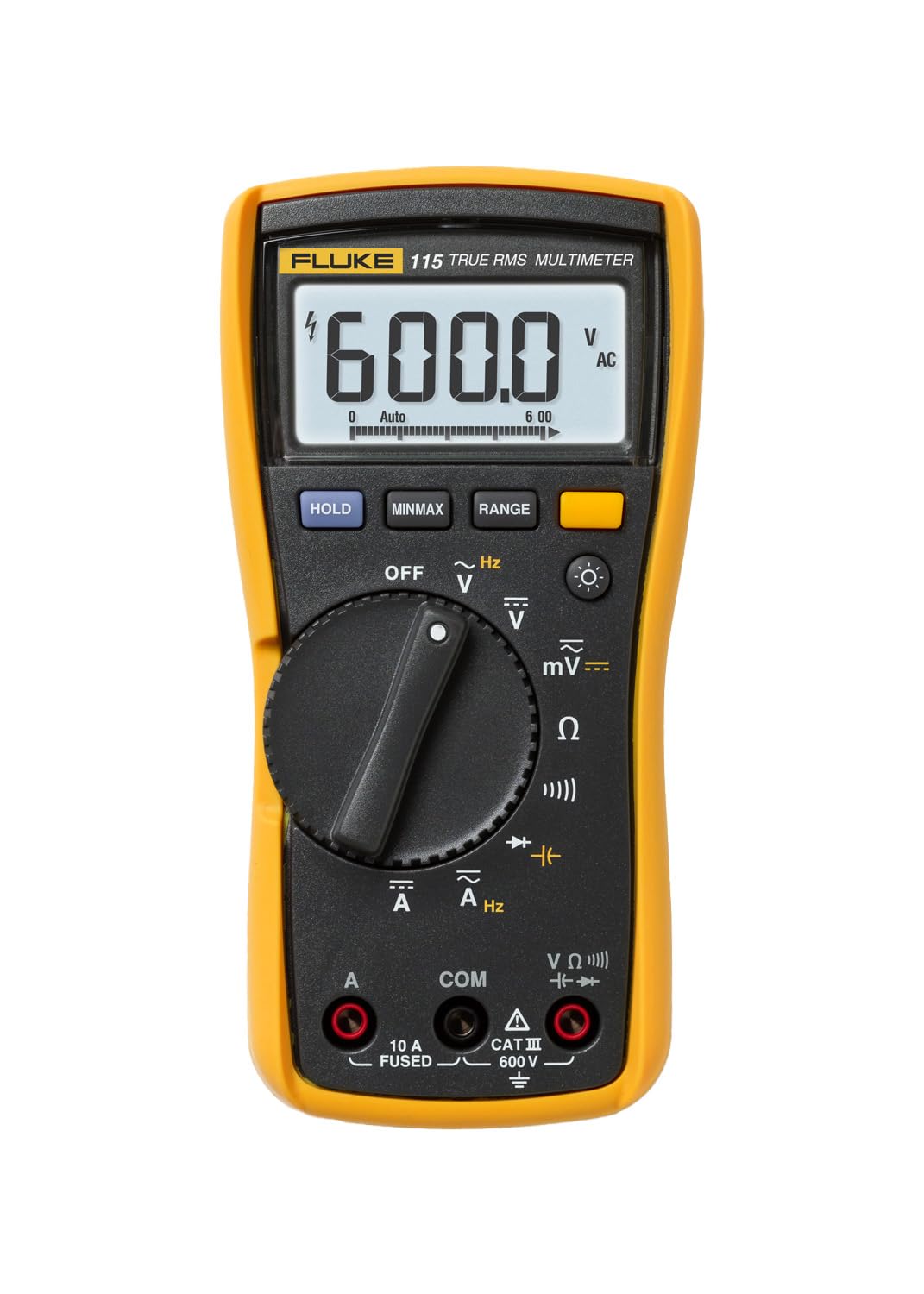
The Fluke 115 is the multimeter I reach for most often. Accurate voltage readings, reliable current measurement, and a solid diode-check mode make it ideal for transistor work.
For 2N3904 projects, the ability to quickly verify base-emitter junctions, check bias voltages, and confirm continuity is invaluable. A dependable meter removes uncertainty—and uncertainty is the enemy of learning.
Final Thoughts
Electronics hobbies are built on experimentation, curiosity, and iteration. The equipment outlined here has supported those goals for me across countless 2N3904 projects—simple and complex alike. With a solid bench setup, you spend less time fighting tools and more time understanding circuits.
If you’re just getting started, you don’t need everything at once. Build your bench gradually, prioritize reliability, and invest in tools that grow with your skills. The 2N3904 will reward you for it.